
Entrepreneurship
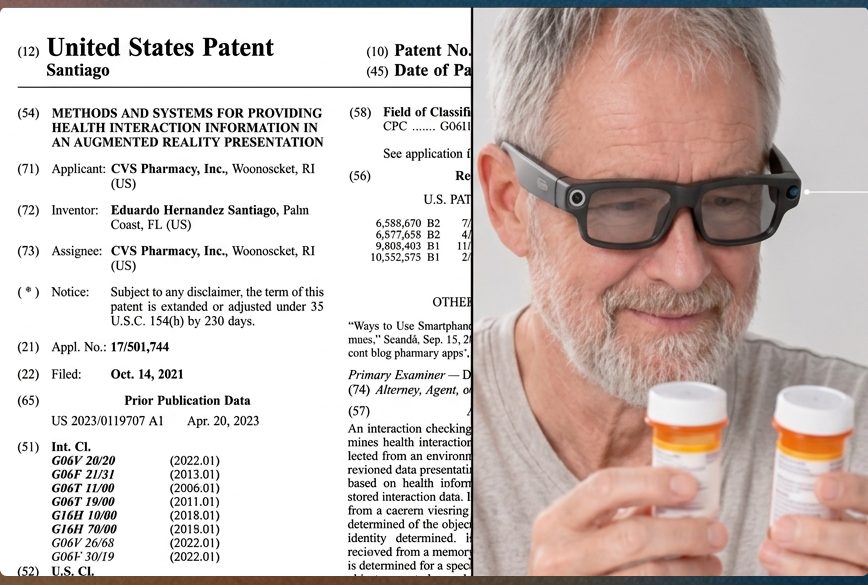
Drug interactions is a serious medication safety concern. When a prescription interacts with a vitamin, food, or another drug — grapefruit juice with cholesterol medication, cured meats with certain depression drugs — the consequences can be real: ineffective treatment or dangerous side effects. Checking for these interactions manually is tedious, easy to mess up, and overwhelming for people taking five or more prescriptions at once.
This problem came to me through observation and research. Older adults especially face this challenge — studies show that 42 percent of adults 65 and older take five or more prescriptions daily, and nearly 20 percent take ten or more. That's a lot to keep track of. Doctors often miss these interactions too.
How I approached it
I'm a hands-on learner, and for this project, that meant starting with whiteboards and storyboards. I built physical prototypes using prescription bottles, cardboard, paper, and tape to understand the spatial design and context. Then I moved into AR prototyping tools and digital design. I collaborated with pharmacists, product owners, engineers, and patent attorneys along the way — each brought a different lens to the problem.
What I learned
That process taught me to think with my hands, not just my head. To be more observant. To ask obvious questions that others skip over. I learned to prototype fast, prototype efficiently, and embrace problems that feel unfamiliar. Sometimes the best way to understand something is to build it, hold it, and live with it for a while.
Want to know more? lets chat