
Tilt-a-Pour
The idea
I've always wanted to take an app from idea to product entirely on my own. I have a few bigger business ideas I'd like to build someday, but I wanted to start with something smaller first — inexpensive to build, low-stakes if it didn't work, and fun enough to reconnect me with something I used to love: designing physical games for kids. This time, just digital.
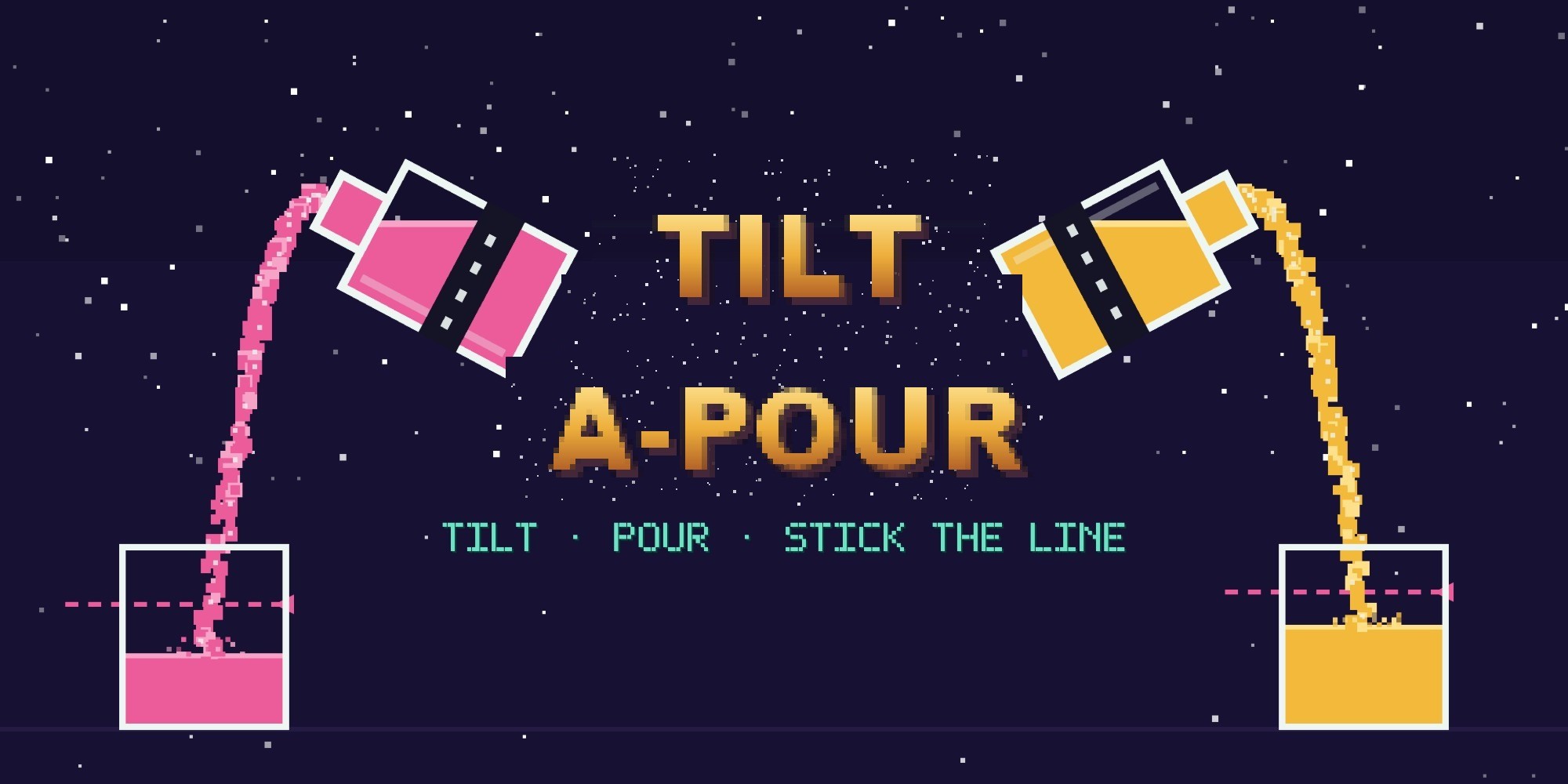
The idea itself came out of an ordinary moment. I use a digital kitchen scale to measure liquids and food for my wife — as her caregiver, I try to make sure she's getting the right nutrients, so almost everything gets weighed. Getting the amount right in grams, ounces, or milliliters is harder than it sounds, and it gets harder when you're also racing a clock. That tension — measure carefully, but do it fast — is where Tilt-a-Pour came from: a game about pouring the right amount before you spill.
The approach
I wanted the core mechanic to use the phone itself, not just sit on top of it. Tilting the phone to pour runs on the accelerometer and gyroscope, paired with haptics and sound so the pour feels physical instead of abstract. But I didn't want tilting to be the only way in — someone who can't tilt their phone, or who's playing on a train or in a car, should still be able to play. So I built a second control scheme around a slider instead of the sensors.
To keep this manageable as a solo build, I used Capacitor with a webview so one codebase could ship to both iOS and Android, and wrote native code — Swift, on the iOS side — only where it mattered most: haptics and the pouring logic itself. That split let me keep the app simple to maintain without giving up the feel of a real native game.
I tested early builds in the browser first, since that was the fastest way to iterate, then moved to TestFlight for real device testing. I also had kids and adults actually play it, and used what I watched — where they got confused, where they laughed — to keep adjusting the game quickly.
What shipped, and what's next
Tilt-a-Pour is live now on the App Store, built and designed entirely with Claude. A monetization strategy is designed and ready, but I decided it belonged in the next update rather than this first release — I wanted to get the core game right before adding anything to it.
What I learned
This was the first time I carried an app all the way from an idea in my head to something sitting in someone else's pocket. It reminded me why I liked making games in the first place, back when they were physical and built for kids: the fun is in the constraints, not despite them. Deciding what a phone can do that a board game can't — and doing it as a team of one — taught me as much about scope and restraint as any of my bigger, more "serious" projects have.
Play Tilt-a-Pour on the App Store Want to know more? let's chat